
The impact of nurse staffing levels on patient outcomes
According to the latest reports from the American Hospital Association, hospitals are beginning to experience financial issues due to rising labor costs. The understaffing has a severe impact on the healthcare system, affecting patient care and outcomes, particularly when nurse staffing ratios and patient outcomes are misaligned.
Labor costs have risen significantly, placing hospitals in a challenging position as they struggle to manage increasing expenses. At the same time, drug shortages and administrative burdens are adding further pressure on healthcare systems. Changes in food consumption, climatic alterations, changes in physical health, alongside the post-COVID-19 effect, have impacted the census numbers, and at times, the hospitals become overcrowded.
In addition to all this, hospitals are facing tremendous challenges due to nurse staffing shortages and rising drug prices. Understaffing has created an adverse effect on healthcare departments. It is the tie that binds and creates issues affecting both patients and nurses. In this blog, we will cover the various issues arising from understaffing, with a focus on the impact of nurse staffing levels on patient outcomes.
Common nurse staffing challenges in hospitals
Effects of inadequate nurse staffing on patient care
With limited nurse staffing, it is impossible to provide supportive care to patients while also handling multiple tasks. Low and close monitoring of patient safety may increase medical complications, treatment errors, and chances of infections, highlighting the importance of maintaining appropriate nurse staffing ratios and patient outcomes in healthcare settings
Understaffing creates burnout and stress
Heavy workloads and limited resources tend to cause burnout and stress among nurses, which directly impacts patient care. Increased pressure and burnout may also impact both the nurses and patients. To overcome burnout, it is essential to first understand its underlying causes, with workplace stress among the primary factors.
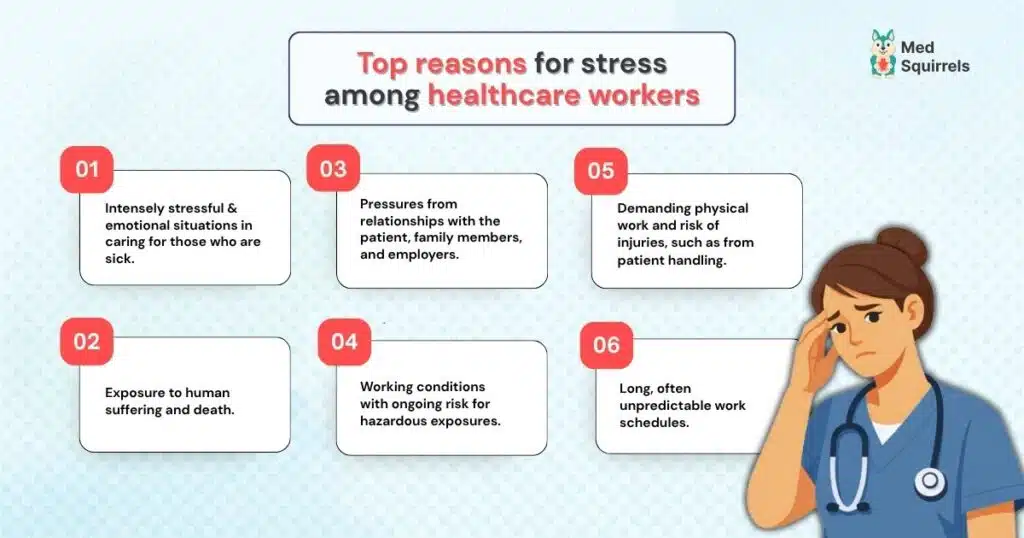
For example, if you hire a registered nurse, identifying and addressing the key causes of employee stress can significantly reduce burnout and improve overall workforce well-being. A detailed infographic highlighting the top reasons behind stress in your team is included for better insights.
Major Stress Factors Affecting Healthcare Staff
Understaffing impacts the hospital’s reputation
Understaffing staffing levels directly impacts patient care, compromising patients’ trust in the hospital. Dissatisfied patients who receive inadequate care and lack proper communication with nurses are more likely to leave a negative impression of the hospital, directly impacting its reputation.
Understaffing is a loop, and the cycle continues. With limited staff, burnout and stress for nurses would increase, creating a negative impact on patient care. Low patient outcomes would impact the hospital’s reputation, and this cycle would continue. But what if you adopt a proactive strategy for hiring nurses, with patient outcomes in mind? The results may vary.
Nurse staffing ratios and patient outcomes: Key impacts
At present, the census rate is relatively high. The increasing census rate tends to have a huge impact on mortality rates. This is an evident and inevitable situation. In these cases, a higher nurse staffing rate would play a vital role in providing proper patient care, as improved nurse staffing ratios and patient outcomes are closely linked to reduced mortality rates.
Adequate staffing would improve regular monitoring of medical analysis. With enough nurses on the floor, there will be no room for medical errors and complications. According to the Journal of the American Medical Association, hospitals with more nurses on the floor have lower census and mortality rates.
Below are the top two reasons hospitals should ensure an adequate number of nurses to improve patient care and outcomes.
Benefits of optimal nurse staffing levels
Adequate nurse staffing not only ensures a low mortality rate but also increases patient recovery rates. Patient recovery from a critical disease would require personal care and regular monitoring.
With adequate nurses reporting on the floor, patient recovery increases as they get the desired personal care, demonstrating how balanced nurse staffing ratios and patient outcomes contribute to overall patient satisfaction.
Furthermore, nurses can maintain communication with patients, discussing their medical complications and concerns. This communication will help you to fix staffing shortages. It also assists you in directly improving overall patient satisfaction and experience. Patient recovery acts as a critical indicator for any healthcare facility and promotes trust.
Adequate nurse staffing improves the productivity level of nurses
In an unanticipated situation where patient counts, along with mortality, increase, this creates pressure on the healthcare workforce, leading to increased burnout. Such situations mainly result from understaffing and create dissatisfaction in the job for the existing workforce.
Thus, adequate staffing enables better communication, which helps address patients’ medical issues and ensures the desired compassion during their stay in hospitals. It also helps improve the productivity of the healthcare workforce, reducing burnout and job dissatisfaction.
The recent period has been a rough road for hospitals. Increased disease rates, the impact of COVID-19, and climate change are significantly affecting healthcare systems. Nurse understaffing continues to threaten this already challenging scenario.
Strategies to improve nurse staffing ratios and patient outcomes
Invest more in staffing
One of the most effective ways to address nurse staffing challenges, control healthcare costs, and enhance patient care is to invest strategically in nurse recruiting.
Ensuring an adequate number of qualified nurses on the floor enables better workload distribution, more consistent patient monitoring, and improved clinical outcomes, especially when healthcare facilities focus on optimizing nurse staffing ratios and patient outcomes. As stated before, improved patient outcomes play a huge role in the hospital’s reputation.
However, investing in staffing also means targeting experienced candidates who can deliver quality care immediately. To stay competitive, healthcare facilities must offer attractive salaries and benefits, including performance bonuses, childcare support, and flexible scheduling.
For example, when you plan to hire an experienced licensed practical nurse, understanding current market salary benchmarks is essential. A detailed infographic on salary insights across different states has been added to support better staffing decisions.
Top-paying states for licensed practical nurses
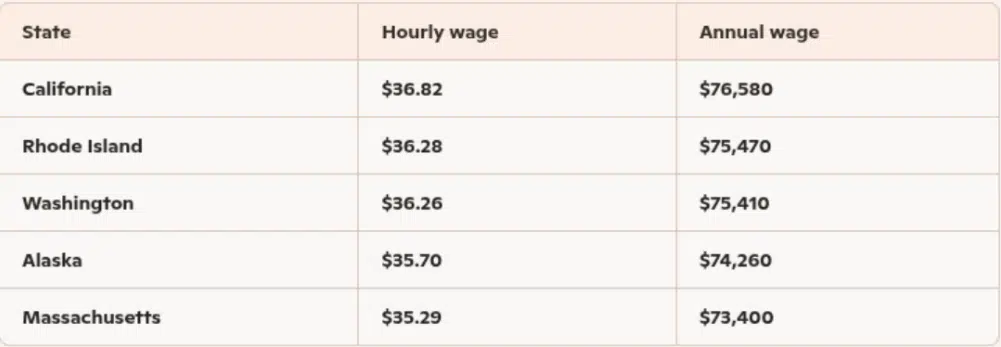
source: BLS
Work on smart approaches for hire and retention
Nurse staffing is not a tough science, but one mistake can create significant consequences. To avoid this, clear strategies should be implemented, such as standardizing the nurse-to-patient ratio. It is mandatory to ensure that minimum staff levels are met in all healthcare facilities.
It is equally important to retain existing nurses, as they are already familiar with and trained in the healthcare facility’s operations and procedures. Employers must know how to retain by offering competitive salaries, benefits, and recognition to tackle burnout.
Exploring modern technologies to hire
Utilizing the latest technologies would help overcome nursing staffing problems. With healthcare AI tools, it is easy to assess the number of nurses required based on patient count.
This process would help meet staffing levels accordingly and optimize resource allocation. Also, real-time tracking tools can be used to determine nurse workload and fluctuations in patient acuity. Such tools can automatically create a report if dynamic staffing is required.
Balancing nurse staffing levels is not child’s play. It requires regular monitoring of the staffing market, adaptation of the latest technologies, and proper management of human resources. It is a time-consuming and expensive process.
Optimize nurse staffing with the right platform
Now you can get the right staffing solution by collaborating with MedSquirrels to overcome nurse staffing problems. As one of the leading healthcare staffing platforms in the United States, we possess a vast and versatile pool of staffing talent for both clinical and non-clinical departments. We follow a proactive strategy and streamlined process to connect you with top talent for your facilities.
Our platform helps you overcome nursing staffing issues by automating the entire interview process, ensuring potential candidates are provided on time without any unexpected delays. As an employer of record, we guarantee zero tolerance for legal non-compliance and risks. Staffing with Medsquirrels is way more affordable than many nurse staffing agencies.
By partnering with MedSquirrels, you will only pay the payroll cost and a flat fee per hire, with no hidden agency charges, such as MSP or VMS. Facilities can book a free demo to explore affordable plans. At the same time, healthcare professionals can visit our open jobs and apply directly, ensuring a smoother experience for everyone involved.
FAQ's
How does short staffing affect patient care?
Short staffing reduces nurses’ ability to monitor patients closely and respond quickly to changes. This can lead to delays in treatment, increased risk of errors, and lower patient satisfaction. It also affects the overall efficiency of care within the facility.
What are the effects of inadequate staffing in nursing?
Inadequate staffing increases workload on existing nurses, leading to burnout and higher turnover. For healthcare facilities, this results in reduced productivity, increased hiring costs, and potential risks to patient safety and care standards.
What are the effects of nurse staffing on the quality of care?
Nurse staffing levels directly influence the quality of care delivered. Adequate staffing supports better monitoring, timely interventions, and clear communication. This leads to improved patient outcomes, higher satisfaction, and a stronger reputation for the facility.
Why should healthcare facilities choose MedSquirrels?
MedSquirrels provides a modern, digital-first approach to healthcare staffing that replaces reliance on traditional staffing agencies. It offers faster access to qualified talent while ensuring compliance, transparency, and operational efficiency.
How does MedSquirrels improve staffing efficiency?
The platform automates the recruiting workflow, including candidate sourcing, screening, and interview coordination. This significantly reduces time-to-hire and helps facilities fill critical roles without delays.

Jani Basha is a Content Specialist with a background in healthcare content development, recruitment, and workforce management. His work focuses on the challenges healthcare facilities face in attracting, staffing, and managing clinical and non-clinical professionals. He develops content on healthcare recruitment, workforce trends, and staffing strategies. His work translates complex workforce topics into practical insights for healthcare recruiters. His work aligns with MedSquirrels’ mission to make healthcare staffing more efficient and cost-effective through technology-driven workforce solutions.