
Temporary vs. full-time healthcare staffing: Which option should a facility choose?
Clinics and healthcare facilities nationwide are under tremendous strain as they work to address the shortage of clinical roles, particularly when evaluating temporary vs. full-time healthcare staffing. Rising patient volumes across hospitals, clinics, and long-term care centers, combined with increasing nurse turnover, are forcing recruiters to reassess how they structure and support their workforce.
This evaluation is crucial, as decisions directly affect operational efficiency, employee satisfaction, patient care quality, and overall financial performance. Recruiters must carefully determine which option best meets their facility’s needs when developing plans for filling vacant roles.
Rather than focusing on a single model, facilities must consider which approach best supports clinical efficiency while aligning with both immediate operational demands and long-term goals.
The current healthcare staffing landscape
The healthcare sector is experiencing a persistent staffing crisis driven by open positions, clinician burnout, and increased reliance on flexible professionals to keep operations running. Hospitals, outpatient centres, specialty clinics, and long-term care facilities are all facing similar pressures.
A significant factor behind this strain is ongoing workforce shortages. As professionals retire or leave the industry, facilities are left competing for a limited talent pool while patient demand continues to rise.
This imbalance has intensified existing staffing challenges, including overtime costs, inconsistent coverage across shifts, and reduced staff morale.
To address these issues, many facilities are reassessing traditional onboarding methods, especially when planning to hire registered nurses, and exploring more flexible workforce approaches.
Facilities are increasingly combining temporary and full-time personnel to create a flexible, resilient workforce, rather than relying solely on full-time staff.
Understanding temporary healthcare staffing models
Facilities need to understand temporary healthcare staffing, a workforce solution intended to address short-term or variable workforce needs. It supports facilities during peak seasons, unexpected absences, or increased patient demand. This process involves assessing skills of clinical practitioners, such as registered nurses and allied health workers, as well as non-clinical administrative or support staff.
Utilizing these solutions lets facilities hire trained, experienced workers quickly, without the long wait of full-time recruitment. In most cases, a hired temporary team helps maintain consistent coverage, enabling internal teams to focus on quality patient care while managing operational and administrative responsibilities.
Key advantages within modern platforms include:
- Rapid access to qualified clinicians during urgent gaps
- Greater scheduling flexibility without long-term commitments
- Reduced disruption during periods of fluctuating demand
From a cost perspective, temporary healthcare staffing offers predictability for short-term needs, making it easier for leaders to adjust labor spend without permanently increasing headcount.
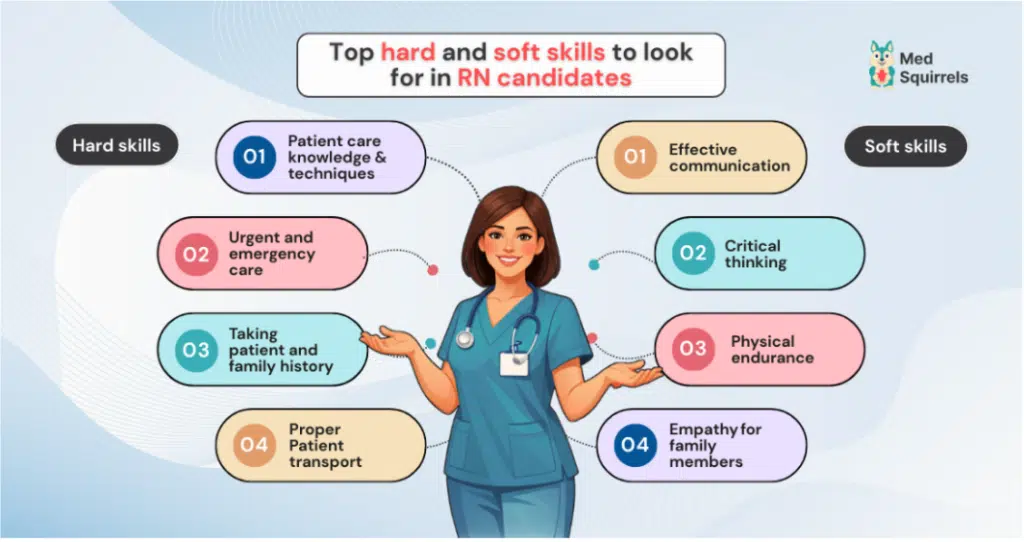
For example, when you hire registered nurses temporarily, it is essential to evaluate their clinical skills thoroughly, hard and soft skills, and hands-on experience to make informed decisions that support patient care standards and day-to-day operations at your facility.
To assist facilities in evaluating RN qualifications, a detailed infographic outlines the hard and soft skills required for RN roles, supporting clearer, more confident decisions.
Top hard and soft skills to look for in RN candidates
Knowing about full-time healthcare staffing models
The use of full-time healthcare staffing remains a key consideration for many facilities. This model focuses on building long-term teams to ensure continuity of care, develop institutional knowledge, and foster the facility’s culture.
For example, when facilities want to hire nurse practitioners for a full-time role, they need to ensure a professional has deep expertise in protocols, compliance, and patient needs. While upfront costs such as recruitment, training, benefits, and retention are higher than for temporary staff, full-time employees help create a stable workforce that delivers quality care and meets regulatory requirements. Facilities often assign full-time staff to management and specialized units, especially when patient numbers are steady.
In today’s market, facilities looking to hire physician assistants and other specialists on a full-time basis use flexible scheduling to reduce burnout and turnover. This mix of stability and adaptability helps build a fully functioning workforce.
Temporary vs. full-time staffing: a practical comparison
A comparison of clinical resource strategies shows how each method aligns with facilities’ operational priorities.
The decision between temporary vs. full-time healthcare staffing is less based on which model is best for your facility than on where each model fits within your overall workforce strategy.
Key comparison areas include:
- Cost structure: Temporary staffing offers short-term cost control, while the full-time model provides long-term budget stability
- Flexibility: Temporary staff allow rapid scaling, whereas full-time teams support consistent workflows
- Continuity of care: Full-time clinicians strengthen patient relationships, while temporary staff ensure uninterrupted coverage
- Administrative effort: Full-time method requires ongoing HR investment; temporary models reduce internal administrative burden.
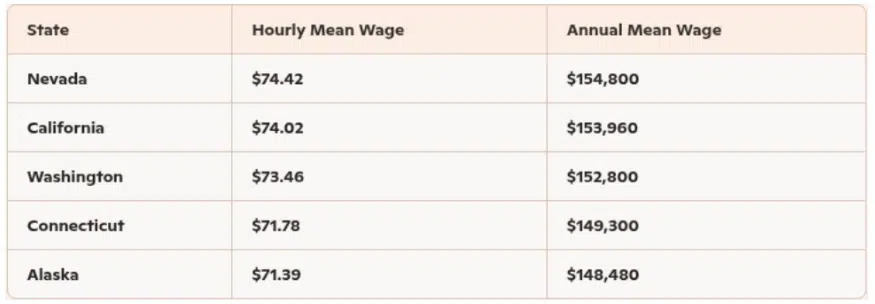
As a recruiter, if you plan to hire a physician assistant, understanding current salary trends is essential; therefore, a detailed infographic highlighting top state-wise physician assistant salaries has been included to support a more informed and effective process.
Top-paying states for physician assistants
Choosing the correct staffing method for your facility
When determining the best approach to hire, facilities and clinics should not focus solely on costs. It is also necessary for recruiters to assess factors such as facility growth, patient population acuity, service line growth plans, and the availability of internal resources. More and more, leading companies within the industry are utilising hybrid approaches that incorporate both models.
Essential factors to evaluate include:
- Expected patient volume trends and service expansion plans
- The mix of short-term coverage needs versus permanent roles
- Internal resources available for recruitment and workforce management
Data-driven planning for healthcare facilities helps them respond to fluctuating workforce demands by using a structured approach to assess temporary vs. full-time healthcare staffing needs.
This approach supports both current and future workforce requirements, enabling facilities to build a sustainable strategy that adapts to changing operational and business conditions.
Partnering with the right platform for better staffing
Understanding the differences between temporary vs full-time healthcare staffing is a crucial first step for facilities aiming to balance quality care, operational efficiency, and cost control. Each model serves a specific purpose, and choosing the right mix depends on patient demand, workforce stability, and long-term organizational goals.
Making informed decisions allows facilities to respond effectively to both immediate gaps and ongoing care needs. However, understanding the differences will help you address only part of the challenge. Remaining success depends heavily on who you choose to partner with throughout the process.
Traditional agencies often present limitations such as slow candidate turnaround, limited transparency, rigid contracts, and manual onboarding processes that can delay workforce readiness.
Similarly, free job boards may generate high application volume but often lack proper screening, credential verification, and compliance support, thereby increasing the administrative burden on teams.
To overcome these challenges, facilities are increasingly turning to modern healthcare staffing solutions that combine technology and compliance support. Platforms like MedSquirrels are designed to help facilities hire the right professionals while maintaining budget control and operational efficiency.
MedSquirrels offers cost-effective plans to meet different needs:
- Orange Plan: Recruitment plus EOR/Payrolling, helping you hire contract clinicians or non-clinicians while managing HR, payroll, compliance, and benefits.
- Purple Plan: EOR/Payrolling support when you already have a candidate and need HR, payroll, and benefits management.
- Blue Plan: Recruitment-focused support to help you hire full-time clinicians or non-clinicians efficiently.
By partnering with MedSquirrels, facilities gain access to flexible staffing options that align with real operational requirements. You can book a free demo to explore available plans. At the same time, professionals can visit our open jobs and apply directly, ensuring a smoother experience for everyone involved.
FAQs
What is the difference between temporary and full-time healthcare staffing?
Temporary staff help facilities respond to short-term or flexible needs, while full-time roles maintain long-term stability. Each supports specific operational and patient care objectives.
When to hire temporary healthcare staff?
Facilities hire temporary staff to cover short-term gaps caused by patient surges, employee leave, or unexpected vacancies, helping maintain care continuity without long-term commitments.
What roles are commonly filled through temporary healthcare staffing?
Facilities often use temporary staff for registered nurses, allied health professionals, technicians, and other roles that require flexibility.
How does MedSquirrels support healthcare facilities?
MedSquirrels supports facilities by offering affordable plans to hire that align with both short- and long-term workforce requirements. The platform helps facilities manage compliance and workforce operations more efficiently.
What types of healthcare roles can facilities staff through MedSquirrels?
Facilities can use MedSquirrels to staff both clinical and non-clinical roles, including registered nurses, allied health professionals, technicians, and administrative staff, as needed.

Jani Basha is a healthcare content expert at MedSquirrels, sharing insights on staffing trends, hiring best practices, and career growth.