
Pharmacist shortage in the US: Causes, impact & solutions for healthcare facilities
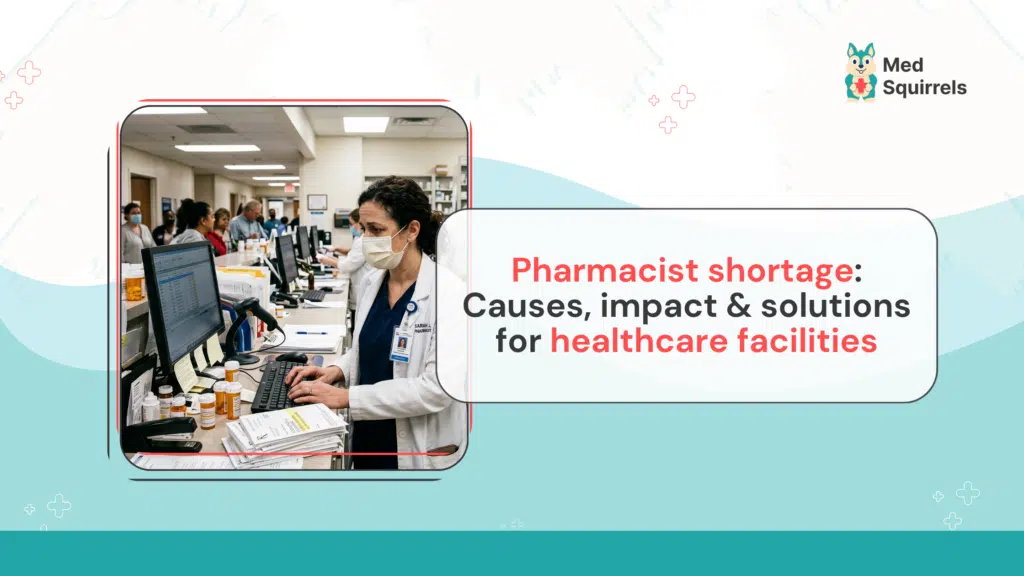
Facilities in the USA are facing a growing pharmacist shortage. This shortage is becoming a serious concern for clinics today due to the aging population.
As a healthcare owner, you may already be facing challenges due to shortages. These challenges may include increased workload, limited staffing, and delays in patient care. This blog explains the cause, impacts, and solutions for facilities.
Top causes of pharmacist shortages
As a healthcare owner, before you try to address the pharmacist workforce shortage, it is important to understand what is actually causing it in your facility. The following are the main causes you need to know. Identifying these main recruiting challenges early will help you develop a strategic plan for your pharmacy department.
Cause #1: Aging populations and increased chronic diseases
An aged population is a major problem in the country. This problem is affecting many sectors, including healthcare. It is a nationwide problem and a driving factor behind the higher demand for healthcare services.
Aging populations in recent times, especially after the COVID-19 pandemic, are in greater need of medications and ongoing treatment management. This requirement is placing additional strain on facilities and the already stretched pharmacist workforce, worsening the pharmacist shortage.
Cause #2: Burnout and turnover
Pharmacies with workforce shortages cannot meet high workload demands, leading to administrative burdens and potential turnover among pharmacy staff. Continuous pressure from prescription management, patient consultations, and compliance tasks can leave pharmacists mentally and physically tired and exhausted.
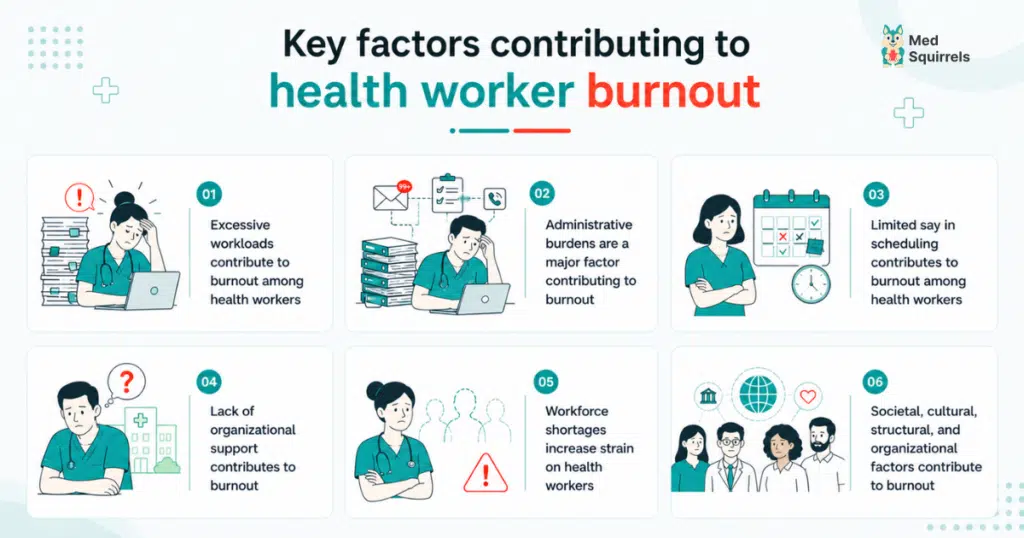
Recruiters must remember that when burnout is not addressed promptly, facilities’ pharmacies experience higher turnover and reduced productivity. It will also damage the pharmacy’s or clinic’s reputation. Burnout may result from multiple factors, and as a healthcare owner, you must identify and address them quickly; a detailed infographic is added to explain the key reasons behind burnout in healthcare.
Cause #3:Increasing demand for pharmacy services
The growing number of diseases and increased availability of insurance have made treatment more accessible. To manage and treat these conditions, recent developments in healthcare have made pharmacy services an essential part of patient care.
This rising demand for the workforce is creating a gap between available pharmacist capacity and service needs. Workforce capacity is not keeping up with staffing, increasing pressure, and leading to a pharmacist shortage in the facility.
Impacts of pharmacy shortage
Clinical recruiters like you will start to notice the impact of these challenges firsthand as they affect your facility’s daily operations and patient care. If you do not address these early, they can gradually affect the facility’s overall performance. Over time, these workforce gaps can also increase operational costs and reduce your facility’s ability to provide quality services to the patients.
Impact #1:Reduced patient engagement
If your facility is having pharmacist shortages it will lead to many challenges. Those can be heavy workloads for the limited number of pharmacists present at the clinic. It will reduce the ability to provide detailed counseling and patient support, affecting patients’ understanding of medications and the overall quality of care.
Pharmacist shortages also make it difficult to provide each patient with personalized attention during consultations. It also reduces the opportunity to clarify doubts and suggest proper medication to the patients.
Impact #2: Increased stress with existing staff
A continuous shortage of pharmacists at your clinic can place significant pressure on existing pharmacy staff. With fewer professionals at the facility, the workload increases, leading to longer working hours and increased stress.
This stress can lead to additional pressure on existing professionals. This pressure makes it difficult for pharmacists to provide proper patient care and manage daily responsibilities effectively. It will also affect the clinic’s image.
Impact#3:Limited service expansion
As a healthcare owner, you must understand that a facility facing a pharmacist workforce shortage will encounter many hurdles, including a gap that can limit the ability to expand vital services. Those services can be as clinical programs, vaccination drives during pandemics, and specialized patient care initiatives.
When there is a shortage of pharmacists, facilities often limit themselves to prioritizing basic reservices. It may not provide an opportunity to introduce new services or improve patient care. These challenges can be understood through the following points.
- Over time, facilities may be unable to offer advanced services like clinical programs and specialized care
- Patient access to expanded healthcare services, such as vaccinations and specialized treatments, may become limited
Solutions pharmacy shortage
Recruiters like you can take the right steps to overcome these staffing challenges using a clear, structured approach. Focusing on practical strategies can help you manage staffing gaps and improve overall facility performance.
Solution # 1: Addressing burnout issues
The most essential step in addressing pharmacy staffing shortage is to overcome Burnout issues in the facility.
To overcome issues such as burnout, healthcare owners like you must maintain a structured approach to identify it in advance so you can address it.
As a recruiter, you must prioritize the mental health and well-being of your pharmacy staff.
You can overcome the burnout issues by following these steps:
- Encouraging open communication: Ask your nurse practitioners about workplace issues and try to resolve them. This will help them complete their work more effectively.
- Promoting professional development: Encourage your pharmacy staff to expand their professional skills through certification programs, a best practice for maintaining adequate staffing.
- Promoting work-life balance: Providing paid leave and flexible work schedules will help improve work-life balance among your employees. It will be helpful to enjoy personal life.
- Encouraging with appreciation: Appreciating your staff in the workplace for the good work done will motivate them to keep up the good work in improving patient care.
Solution # 2:Use referral programs to hire
Healthcare managers can encourage employee referral programs. This is because referrals are considered one of the most effective staffing tools for overcoming recruitment challenges stemming from a pharmacist staffing shortage.
Whenever you plan to hire a pharmacist, it is advisable to check your current staff’s networks. It may help you access qualified, experienced professionals who demonstrate consistency at work.
One vital thing to keep in mind during the referral program is to offer attractive bonuses. This will encourage your workforce to refer skilled talent.
Solution# 3: Offer competitive salary packages
Hospital owners who are planning to hire pharmacists must remember that compensation plays a vital role. It is advisable to offer your pharmacy staff well-paid salaries to remain competitive with other recruiters.
Healthcare recruiters must understand that offering competitive salaries along with a structured approach to recruiting not only increases their chances of attracting top talent but also encourages staff to give their best. The following points are the benefits of good pay.
- Helps attract more qualified and experienced pharmacists
- Reduces staff turnover and hiring costs over time
- Improves employee satisfaction and workplace stability
- Leads to better patient care due to motivated staff
As a hospital owner, it is your responsibility to research the current pay across the country. To provide you with clear information about salaries by state, a detailed infographic has been added.
List of top-paying states for pharmacists in the USA
State | Hourly mean wage | Annual mean wage |
California | $ 75.62 | $ 157,280 |
Alaska | $ 72.89 | $ 151,600 |
Oregon | $ 71.90 | $ 149,550 |
Washington | $ 71.42 | $ 148,550 |
Minnesota | $ 68.85 | $ 143,210 |
How the tight platform helps facilities overcome workforce shortages
Healthcare clinics facing pharmacist workforce shortages must also understand the causes, impacts, and solutions to these shortages. Knowing the reasons can help you make faster and better staffing decisions. This knowledge helps facilities overcome major challenges, such as recruitment delays and staff burnout, that limit growth in pharmacy services. Clinical owners must remember that knowing the reasons may not fully help them overcome staffing challenges.
It also depends on choosing the right staffing platforms to hire successfully. When choosing a platform, recruiters must avoid traditional agencies, as they often lead to delays, high costs, and a lack of credentialing. To overcome this, you must partner with MedSquirrels, a pharmacist staffing solutions platform that gives pharmacies and clinics a more reliable and efficient way to hire qualified pharmacists and address long-term staffing shortages.
MedSquirrels comes with affordable plans to meet diverse healthcare staffing needs. From sourcing, recruiting, to onboarding, payroll, compliance, and full-time placements. All plans are designed to simplify staffing and workforce management. By choosing MedSquirrels, clinical owners gain affordable pharmacist staffing solutions.
Hospital owners can book a free demo to explore available plans. At the same time, professionals can visit our open jobs and apply directly, ensuring a smoother experience for everyone involved.
FAQs:
What is the main reason behind the pharmacist shortage in healthcare facilities?
The main reason for the pharmacist shortage is the growing mismatch between demand for patient care and the available pharmacist workforce. Aging populations, chronic disease management, burnout, and expanding responsibilities in clinics and hospitals.
What are the most effective ways to solve pharmacist staffing shortages?
Facilities can reduce pharmacist staffing shortages by focusing on burnout prevention, employee referral, competitive compensation, and faster recruitment planning. These steps help improve retention while also increasing access to qualified pharmacist talent.
How can healthcare facilities reduce pharmacist turnover rates?
Healthcare facilities can reduce pharmacist turnover by addressing burnout, improving workplace communication, offering professional growth opportunities, and maintaining competitive compensation. Pharmacists are more likely to stay when they feel supported and have a manageable workload.
Does MedSquirrels provide pharmacist staffing solutions for both short-term and long-term staffing needs?
Yes, MedSquirrels supports healthcare facilities that need pharmacists for contract, temporary, and full-time openings. This gives recruiters the flexibility to respond to urgent vacancies while also building long-term stability in the pharmacy workforce without relying on traditional agencies.
Why do many facilities choose MedSquirrels over traditional staffing agencies?
Many healthcare facilities choose MedSquirrels because the platform eliminates markups, slow communication, and limited pricing transparency. Facilities gain a more affordable and organized recruiting process that helps reduce both recruitment costs and time-to-fill.

Jani Basha is a Content Specialist with a background in healthcare content development, recruitment, and workforce management. His work focuses on the challenges healthcare facilities face in attracting, staffing, and managing clinical and non-clinical professionals. He develops content on healthcare recruitment, workforce trends, and staffing strategies. His work translates complex workforce topics into practical insights for healthcare recruiters. His work aligns with MedSquirrels’ mission to make healthcare staffing more efficient and cost-effective through technology-driven workforce solutions.